
Ireland
Rising Crime in Ireland: The Alarming Surge in Theft and Burglaries


Introduction: Crime on the Rise in Ireland
Ireland is witnessing a concerning trend in public safety: anti-social behavior has surged more than any other crime category in recent years. From vandalism and intimidation to public disturbances, these offenses are leaving communities on edge and putting citizens’ sense of safety at risk.
What is Anti-Social Behavior?
Anti-social behavior (ASB) encompasses actions that cause harassment, alarm, or distress to the public. Common examples include:
- Vandalism of property
- Intimidation or harassment in public spaces
- Noise disturbances late at night
- Public drunkenness or aggressive behavior
While some may dismiss ASB as “minor incidents,” its impact on communities is profound, eroding trust and causing lasting fear.
Why Anti-Social Behavior is Increasing
Several factors contribute to the rise of ASB in Ireland:
- Economic pressures: Financial stress can contribute to frustration and aggressive public behavior.
- Youth engagement issues: Lack of activities and opportunities for young people may lead to disruptive actions.
- Urbanization: Crowded cities and towns increase the chances of public conflicts.
- Substance abuse: Alcohol and drug misuse are often linked to anti-social incidents.
Dangers of Anti-Social Behavior
Though it may not always involve physical violence, ASB carries serious consequences:
- Community Fear: Residents feel unsafe walking streets or letting children play outdoors.
- Property Damage: Vandalism can cost businesses and homeowners thousands of euros.
- Escalation Risk: If unchecked, ASB can escalate into more serious criminal activity, including assault or theft.
- Mental Health Impact: Victims often suffer from anxiety, stress, and sleep disturbances.
What Authorities and Communities Are Doing
Ireland’s law enforcement and local councils are working to tackle ASB:
- Increased patrols in hotspots
- Community outreach and youth programs to engage at-risk groups
- Reporting hotlines for citizens to alert authorities
- Use of Anti-Social Behaviour Orders (ASBOs) to legally restrict offenders
Communities are also adopting neighborhood watch programs and organizing public awareness campaigns to encourage reporting and prevention.
How Residents Can Stay Safe
- Be aware of your surroundings and avoid areas known for disturbances.
- Report incidents to local Gardaí promptly.
- Engage with community programs to help create safer neighborhoods.
- Protect property by using CCTV, lighting, and secure locks.
Conclusion: Anti-Social Behavior is Ireland’s Fastest-Growing Crime
The rise in anti-social behavior highlights the changing nature of crime in Ireland. While often overlooked, its impact on communities is real and significant. Awareness, vigilance, and cooperation with law enforcement are essential for keeping neighborhoods safe and protecting citizens from escalation into more serious crime.
Alt Texts for Images:
- “Garda patrolling urban streets in Ireland”
- “Vandalized property in Irish town”
- “Community meeting addressing anti-social behavior”
Internal Links:
Outbound Links:
Introduction: The Hidden Threat of Solar Farms
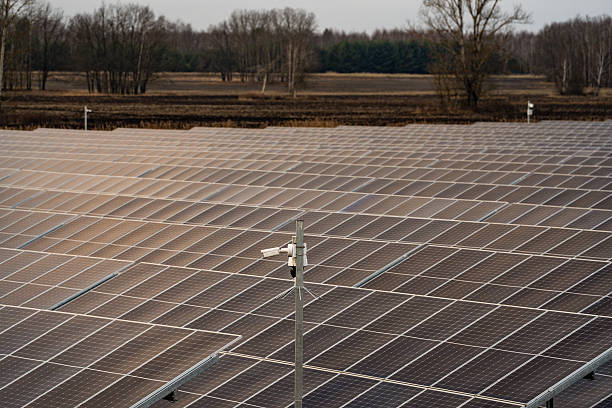
Solar farms are often hailed as Ireland’s path to a cleaner, greener future, but there’s a hidden side to these sprawling fields of panels. Residents in Kilmeadean, Waterford are raising alarms about invisible electromagnetic fields (EMFs) generated by solar panels, inverters, and electrical equipment. While most people enjoy the benefits of renewable energy, some are asking: “Are these EMFs silently affecting our health?”
What Are EMFs and Why Are They Scary?
EMFs are invisible energy waves created by electricity and electronics. They surround every electrical device, from your phone to the power lines outside your home. Solar farms, particularly the inverters that convert DC electricity to AC, produce EMFs that extend beyond the panels themselves.
The Fear Factor
- EMFs are invisible and silent, giving them an almost science-fiction menace.
- Some scientific studies suggest that long-term exposure to high EMF levels may increase cancer risk, particularly leukemia in children, though these cases involve much stronger EMFs than typically found near solar farms.
- EMFs can also cause sleep disturbances, headaches, and fatigue, particularly for sensitive individuals.
Solar Farms in Kilmeadean: What Residents Are Experiencing
Kilmeadean has seen rapid expansion of solar installations, and locals are noticing more than just panels in the fields:
- Transformers and inverters near homes produce EMFs that drop sharply with distance, but proximity can matter.
- Residents report unease and health concerns, leading to community meetings and petitions for EMF monitoring.
- Although Ireland follows strict ICNIRP safety guidelines, the fear of long-term exposure persists.
Scientific Perspective: Are EMFs Dangerous?
It’s important to separate fear from fact:
- The World Health Organization (WHO) classifies EMFs as possibly carcinogenic to humans (Group 2B), which puts them in the same category as coffee and pickled vegetables.
- Most EMFs from solar farms are far below international safety limits, especially for residents living even 50–100 meters away.
- Scientific consensus: direct links between low-level EMFs and cancer remain unproven, but precautionary measures are encouraged.
Why Solar Farm EMFs Make Headlines
EMFs generate fear because they are invisible and uncontrollable. Unlike smoke or chemicals, you can’t see or smell them. This has led to highly charged local debates, particularly in rural communities like Kilmeadean:
- Public concern is increasing as solar projects expand.
- Some activists warn that children, pregnant women, and the elderly could be more vulnerable.
- Local authorities often respond with EMF measurement programs and transparency reports to reassure residents.
Precautionary Steps for Residents
Even if risk is low, it’s wise to take action:
- Request EMF measurements from solar farm operators.
- Maintain distance from inverters and transformers.
- Monitor health symptoms and consult healthcare professionals if unusual issues arise.
- Stay updated via official sources:
The Psychological Effect: Fear Can Be Powerful
Even when EMFs are within safe limits, fear itself can impact well-being. Residents in Kilmeadean are reporting anxiety, sleep issues, and stress, highlighting the mental health aspect of living near a solar farm.
Conclusion: Invisible, Unseen, but Worth Monitoring
Solar farms are crucial for Ireland’s energy future, yet EMFs present a complex blend of science, speculation, and concern. While research shows that typical EMF levels near solar farms are unlikely to cause cancer, the invisible nature of EMFs and the anxiety surrounding them make this a story worth attention.
Residents in Kilmeadean, Waterford, should stay informed, ask questions, and monitor exposure, ensuring that Ireland’s green energy transition is safe for both the environment and its people.
Alt Text for Images:
- “Solar panels in Kilmeadean, Waterford with EMF warning overlay”
- “Solar inverter producing electromagnetic fields near homes”
Internal Links:
Outbound Links:
Wave of Restaurant Closures Hits Ireland in 2025: What Diners and Workers Need to Know
By Your Name
Published on


Introduction: Ireland’s Culinary Scene Faces Challenges
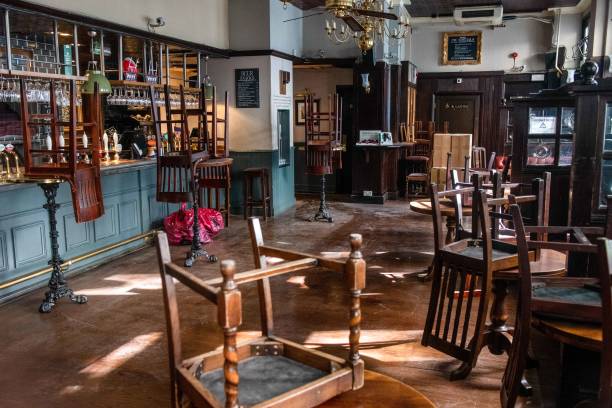
Ireland’s bustling restaurant industry is undergoing a significant shake-up in 2025. Across Dublin, Cork, Galway, and smaller towns, restaurants are closing at an alarming rate, leaving both diners and employees concerned. Rising costs, labor shortages, and evolving consumer behavior are all contributing to a turbulent time for the nation’s beloved culinary sector.
Key Factors Driving Restaurant Closures
1. Rising Operational Costs
From energy bills to ingredient prices, running a restaurant in Ireland has never been more expensive. Many small and medium-sized businesses are struggling to keep up, and some have decided to close their doors rather than operate at a loss.
2. Labor Shortages in the Hospitality Industry
The shortage of skilled chefs, kitchen staff, and servers has created significant operational difficulties. Restaurants are finding it increasingly hard to maintain consistent service quality, leading to some owners making the tough choice to shut down.
3. Changing Consumer Behavior
Irish diners are increasingly opting for takeaways and delivery apps, reducing foot traffic to traditional dining establishments. The convenience economy, combined with rising prices, has shifted how many people choose to eat.
4. Pandemic Aftershocks
Even years after COVID-19 restrictions lifted, some restaurants are still feeling the financial aftershocks. Reduced revenue during lockdowns combined with rising post-pandemic costs has contributed to ongoing closures.
The Impact on Local Communities
The closure of restaurants affects more than just diners:
- Job Losses: Chefs, waitstaff, and other hospitality workers face unemployment.
- Cultural Impact: Local eateries often define the character and culture of Irish towns and cities.
- Economic Ripple Effects: Suppliers, farmers, and nearby businesses also feel the strain when restaurants close.
For employees seeking support, organizations like the Irish Restaurants Association provide guidance, and Citizen’s Information offers resources on employment rights and benefits.
Emerging Trends Amid Closures
- Pop-Up Restaurants and Food Trucks: Lower-cost operations are filling gaps left by permanent closures.
- Focus on Takeaways and Delivery: More restaurants are pivoting to online ordering to meet changing consumer demand.
- Sustainability and Local Sourcing: Some eateries are turning to eco-friendly practices to attract conscious consumers.
Tips for Diners in Ireland
- Support Local Businesses: Choose restaurants that prioritize community engagement and local sourcing.
- Try Alternative Dining Options: Pop-ups, food trucks, and smaller cafés may provide unique experiences.
- Stay Informed: Follow news and social media channels to know which restaurants are opening or closing in your area.
Conclusion: A Shifting Landscape for Irish Restaurants
The wave of restaurant closures in Ireland is a reminder of the fragility of the hospitality industry in challenging economic times. While the situation is difficult for workers and diners alike, opportunities for innovation and community support remain. By staying informed and making conscious dining choices, Irish diners can help sustain their local culinary scene.
Internal Links: Irish Food Trends 2025, Best Takeaways in Ireland

Toca Boca has long been celebrated for creating safe, fun, and creative games for children, but recent rumors and speculation about their upcoming release have parents and fans talking. While the game has not officially launched, whispers online suggest that this new title may introduce features or gameplay elements that could raise new concerns for young players.
What We Know (and Don’t Know)
As of now, details are scarce. Toca Boca has not released official gameplay footage or a full description. However, social media chatter and early beta leaks suggest:
- New in-app mechanics that could be confusing for younger players
- Potential online interaction elements that might not have been part of previous Toca Boca games
- Speculative reports about virtual purchases or game challenges that could encourage extended screen time
Why Parents Are Talking
Toca Boca has a strong reputation for safe, child-friendly content, which is why even small rumors spark discussion. Parenting forums and online communities are questioning whether this new game will maintain the trusted, educational, and imaginative environment children are used to.
Experts in child digital safety stress that speculation should be balanced with caution: until official details are released, it’s best not to jump to conclusions but to prepare by monitoring the game’s features and content.
Staying Informed
Parents and guardians can take steps to stay ahead:
- Follow Toca Boca’s official channels for announcements
- Monitor child-focused gaming forums for verified information
- Set up parental controls and time limits on devices used for gaming
While these reports are largely speculative, they highlight the importance of staying aware of new digital content for kids, even from well-known developers like Toca Boca.

Fuel Strikes Leave Irish Households Scrambling: How Renewable Energy Can Help

Inside Los Angeles’ Underground Tunnels: History, Mystery and the Rise of Online Conspiracies

Manchester United’s January Transfer Frenzy: Midfield Targets, Big Rumours & A Luke Shaw Replacement

Def Jam is Making a Huge Comeback — Remake Set for 2027!
Inside Los Angeles’ Underground Tunnels: History, Mystery and the Rise of Online Conspiracies

Ghost Fleet”: The Strange Case of the Russian Ship Caught Off the Border — What America Needs to Know
-
 Gaming8 months ago
Def Jam is Making a Huge Comeback — Remake Set for 2027!
-
 Breaking News5 months ago
Inside Los Angeles’ Underground Tunnels: History, Mystery and the Rise of Online Conspiracies
-
 Uncategorized8 months ago
Ghost Fleet”: The Strange Case of the Russian Ship Caught Off the Border — What America Needs to Know
-
 Sports8 months ago
Manchester United’s January Transfer Frenzy: Midfield Targets, Big Rumours & A Luke Shaw Replacement
-
 Entertainment8 months ago
The Pokémon Card Craze Sweeping Ireland – Why Everyone Wants ‘Em!
-

 Entertainment8 months ago
Avatar 4 Cancelled? Why Avatar 3 Feels Like the End of the Saga
-

 Business8 months ago
Wave of Restaurant Closures Hits Ireland in 2025: What You Need to Know
-

 Entertainment8 months ago
Hogwarts Shock: Warwick Davis Returns as Flitwick — And Fans Won’t Believe Who He’s With!