Tech
Energy Affordability Continues to Shape Household Spending

Energy affordability remains a defining issue for Irish households, with many reporting that utility costs continue to influence daily spending decisions. While wholesale energy prices have shown signs of stabilisation, the impact on consumer bills has been uneven.
Recent consumer surveys suggest that households are increasingly prioritising energy efficiency and consumption monitoring. However, upfront costs associated with home upgrades remain a barrier for many, particularly renters and lower-income families.
Energy providers have pointed to long-term contracts and infrastructure costs as reasons for the slower pass-through of reduced wholesale prices. Consumer groups argue that clearer pricing transparency is needed to rebuild trust.
Government support schemes introduced during periods of peak price volatility have provided short-term relief, but questions remain about their long-term sustainability. Analysts suggest that structural reform, rather than temporary subsidies, will be necessary to address future volatility.
Ireland’s transition toward renewable energy remains central to the discussion. Wind and solar capacity has expanded in recent years, yet grid limitations and planning delays continue to affect rollout speed.
Rural communities, in particular, face distinct challenges, with higher reliance on private fuel sources and limited alternatives. This has prompted renewed debate around regional energy equity and infrastructure investment.
Experts have also highlighted the link between energy costs and broader economic resilience. Rising utility bills can have knock-on effects on small businesses, consumer confidence, and inflation trends.
For related analysis, see our explainer on Ireland’s renewable energy targets and grid capacity challenges.
As winter planning begins, policymakers face growing pressure to balance affordability, sustainability, and supply security.
-
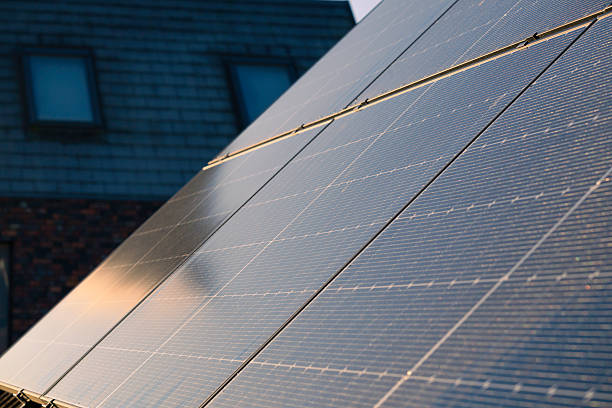
Solar panels are installed on the roof of a residential building, as rising electricity prices and climate targets encourage the shift toward renewable energy in Brussels, Belgium, on December 27, 2025. (Photo by Jonathan Raa/NurPhoto via Getty Images)








Electric vehicles (EVs) have transformed how Irish drivers think about motoring. With increasing charging infrastructure, strong government grants, and real everyday savings on fuel and tax, Ireland’s roads are now truly EV-friendly. But not all electric cars are created equal — some are better suited to Irish conditions, from long rural drives to city commutes in Dublin or Galway.
In this 2025 review, we explore the best electric cars for Irish roads — practical, high-value, and suited to Irish terrain, weather, and lifestyle.
🇮🇪 Why Electric Cars Make Sense in Ireland
Ireland’s electric car market has grown quickly. Top sellers include mainstream models like the Volkswagen ID.4, Tesla Model 3, Kia EV3, and Kia EV6, reflecting a shift towards more efficient, lower-running cost vehicles.Changing Lanes
Drivers benefit from:
- SEAI EV grants of up to €3,500 (plus €300 for a home charger).Irish Grants Hub
- Lower annual motor tax compared with petrol/diesel cars.Amazing Cars and Drives
- Quiet and smooth driving, ideal for narrow rural roads and motorways alike.
- Increasing rapid-charging infrastructure across Ireland.
Below, we’ve ranked the best EVs for Irish driving — from everyday hatchbacks to long-range family SUVs.
🥇 1. Volkswagen ID.4 — The All-Round Everyday EV
Best for: Families, long trips, practicality
The Volkswagen ID.4 consistently tops EV sales in Ireland thanks to its balance of space, comfort, and range. It’s a compact SUV that feels solid on both motorways and tighter country lanes — a perfect match for Irish geography.Changing Lanes
Why it’s great for Irish roads:
- Spacious interior with excellent boot space.CarSpot
- Real-world range suitable for long journeys (often 360–540 km WLTP).CarSpot
- Good dealer support nationwide.CarSpot
- Strong safety ratings and comfortable ride.
Who it’s for: Drivers who want one EV that does it all — work commute, school run, weekend trips.
🚀 2. Tesla Model 3 — Range & Tech Champion
Best for: Long-distance drivers, tech enthusiasts
The Tesla Model 3 remains a firm favourite in Ireland, with strong range figures and access to the Tesla Supercharger network.Changing Lanes
What makes it special:
- Excellent WLTP range — especially in Long Range versions.CarSpot
- Minimalist, tech-forward interior and software updates over the air.
- Efficient performance even on motorways.
Why this suits Ireland: For drivers regularly traveling long distances (e.g., Dublin ↔ Cork), the Model 3’s range and charging ecosystem reduce range anxiety.
🚙 3. Kia EV3 — Compact & Practical
Best for: Urban + suburban driving
The Kia EV3 is one of the new 2025 arrivals making waves in Ireland. Compact but well-equipped, it’s ideal for those who don’t need a large SUV but want modern tech and efficiency.Changing Lanes
Standout features:
- Competitive pricing with strong standard equipment.Changing Lanes
- Two battery options for different needs.Changing Lanes
- Practical interior space for day-to-day use.
Perfect for: Urban commuters and small families who want low running costs without sacrificing comfort.
⚡ 4. Kia EV6 — Premium Electric Crossover
Best for: Tech lovers, frequent fast-charging drivers
The EV6 continues to impress Irish buyers with powerful performance, excellent range, and industry-leading fast-charging capability.Changing Lanes
Features for Irish drivers:
- Up to ~582 km range on the latest battery options.Changing Lanes
- 800-volt charging architecture — ~80% in ~18 mins.Changing Lanes
- Comfortable ride on both smooth motorways and tighter rural roads.
Best for: Drivers who cover more miles and value charging speed and cabin tech.
💡 5. Renault 5 E-Tech Electric — Irish Car of the Year Contender
Best for: Stylish city driving & affordable ownership
The new Renault 5 E-Tech Electric — voted European Car of the Year for 2025 — delivers big personality and excellent value.motorsireland.ie
Why it matters:
- Strong range for its size (up to ~410 km WLTP).motorsireland.ie
- Compact size perfect for city streets and suburban parking.
- Competitive pricing with SEAI grant included.motorsireland.ie
This fun and efficient EV is ideal for Irish drivers who want an accessible, practical car without SUV bulk.
🧠 How to Choose the Right EV for Irish Roads
With so many strong electric cars now available, consider these factors when choosing:
📍 Range vs. Real-World Use
Irish journeys vary from city commuting to road trips. If you regularly travel longer distances, prioritize range (e.g., Model 3, EV6). For urban use, compact models with modest range may suffice.
🚗 Size & Comfort
Ireland’s rural roads can be narrow — so choose a vehicle that handles confidently without feeling oversized.
⚡ Charging Access
Home charging is key. If you rely on public stations, fast-charging capability and network access matter more.
💸 Cost After Grants
Most popular EVs qualify for SEAI grants — apply these savings when comparing prices.Irish Grants Hub
🏁 Conclusion — Best EV for Irish Roads in 2025
There’s no one-size-fits-all answer, but here’s a quick recommendation based on needs:
- Best All-Rounder: Volkswagen ID.4
- Best for Range & Tech: Tesla Model 3
- Best Compact EV: Kia EV3
- Best Performance & Charging: Kia EV6
- Best Value & Style: Renault 5 E-Tech
Switching to electric doesn’t just save on costs — it changes how you drive and enjoy the road. Whether you’re navigating the M50 at rush hour or cruising through the countryside, there’s a 2025 EV made for Ireland’s roads.
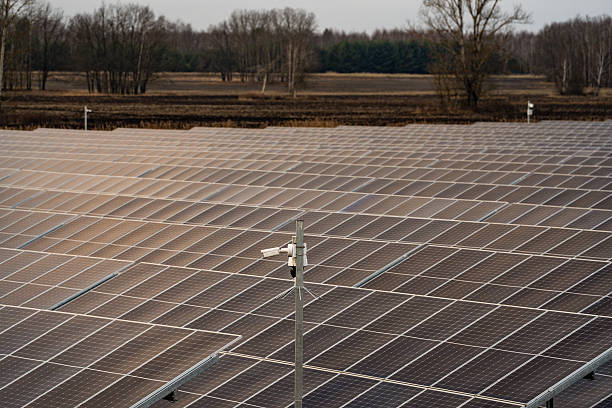
Introduction: The Hidden Threat of Solar Farms
Solar farms are often hailed as Ireland’s path to a cleaner, greener future, but there’s a hidden side to these sprawling fields of panels. Residents in Kilmeadean, Waterford are raising alarms about invisible electromagnetic fields (EMFs) generated by solar panels, inverters, and electrical equipment. While most people enjoy the benefits of renewable energy, some are asking: “Are these EMFs silently affecting our health?”
What Are EMFs and Why Are They Scary?
EMFs are invisible energy waves created by electricity and electronics. They surround every electrical device, from your phone to the power lines outside your home. Solar farms, particularly the inverters that convert DC electricity to AC, produce EMFs that extend beyond the panels themselves.
The Fear Factor
- EMFs are invisible and silent, giving them an almost science-fiction menace.
- Some scientific studies suggest that long-term exposure to high EMF levels may increase cancer risk, particularly leukemia in children, though these cases involve much stronger EMFs than typically found near solar farms.
- EMFs can also cause sleep disturbances, headaches, and fatigue, particularly for sensitive individuals.
Solar Farms in Kilmeadean: What Residents Are Experiencing
Kilmeadean has seen rapid expansion of solar installations, and locals are noticing more than just panels in the fields:
- Transformers and inverters near homes produce EMFs that drop sharply with distance, but proximity can matter.
- Residents report unease and health concerns, leading to community meetings and petitions for EMF monitoring.
- Although Ireland follows strict ICNIRP safety guidelines, the fear of long-term exposure persists.
Scientific Perspective: Are EMFs Dangerous?
It’s important to separate fear from fact:
- The World Health Organization (WHO) classifies EMFs as possibly carcinogenic to humans (Group 2B), which puts them in the same category as coffee and pickled vegetables.
- Most EMFs from solar farms are far below international safety limits, especially for residents living even 50–100 meters away.
- Scientific consensus: direct links between low-level EMFs and cancer remain unproven, but precautionary measures are encouraged.
Why Solar Farm EMFs Make Headlines
EMFs generate fear because they are invisible and uncontrollable. Unlike smoke or chemicals, you can’t see or smell them. This has led to highly charged local debates, particularly in rural communities like Kilmeadean:
- Public concern is increasing as solar projects expand.
- Some activists warn that children, pregnant women, and the elderly could be more vulnerable.
- Local authorities often respond with EMF measurement programs and transparency reports to reassure residents.
Precautionary Steps for Residents
Even if risk is low, it’s wise to take action:
- Request EMF measurements from solar farm operators.
- Maintain distance from inverters and transformers.
- Monitor health symptoms and consult healthcare professionals if unusual issues arise.
- Stay updated via official sources:
The Psychological Effect: Fear Can Be Powerful
Even when EMFs are within safe limits, fear itself can impact well-being. Residents in Kilmeadean are reporting anxiety, sleep issues, and stress, highlighting the mental health aspect of living near a solar farm.
Conclusion: Invisible, Unseen, but Worth Monitoring
Solar farms are crucial for Ireland’s energy future, yet EMFs present a complex blend of science, speculation, and concern. While research shows that typical EMF levels near solar farms are unlikely to cause cancer, the invisible nature of EMFs and the anxiety surrounding them make this a story worth attention.
Residents in Kilmeadean, Waterford, should stay informed, ask questions, and monitor exposure, ensuring that Ireland’s green energy transition is safe for both the environment and its people.
Alt Text for Images:
- “Solar panels in Kilmeadean, Waterford with EMF warning overlay”
- “Solar inverter producing electromagnetic fields near homes”
Internal Links:
Outbound Links:

In recent years, the smartphone industry has faced increasing scrutiny over supply chain practices. While these devices have become essential to daily life, from communication to banking and entertainment, the journey from raw materials to your pocket is not always transparent.
The Issue: Supply Chain Transparency
Smartphone manufacturers source materials like cobalt, lithium, and rare earth metals from around the world. These resources are critical for batteries and high-tech components. Investigations by non-profit organizations and media outlets have revealed concerns over working conditions, environmental impact, and ethical sourcing in some parts of the supply chain.
- Working Conditions: Reports indicate that in certain countries, workers may face long hours, unsafe environments, and insufficient labor protections.
- Environmental Concerns: Mining for metals can cause deforestation, water pollution, and soil degradation, impacting local communities.
- Ethical Sourcing: Some suppliers have been linked to child labor or exploitative practices, prompting calls for stricter corporate responsibility.
Why This Matters to Consumers
Even if your smartphone functions perfectly, the process behind its production can carry ethical and environmental implications. Increasingly, consumers are demanding greater transparency and are making purchasing decisions based on companies’ social responsibility practices.
- Corporate Responsibility Initiatives: Many manufacturers now publish annual sustainability reports and commit to auditing their supply chains.
- Certifications and Partnerships: Look for certifications such as Fair Cobalt Alliance or partnerships with organizations that promote responsible sourcing.
- Consumer Power: By choosing brands that prioritize ethics, consumers can help drive positive change in the industry.
How Companies Are Responding
Major smartphone companies have taken steps to address these issues:
- Supplier Audits: Regular checks of factories and mines to ensure compliance with labor laws.
- Recycling Initiatives: Programs to reclaim metals from old devices, reducing the need for new mining.
- Transparency Reporting: Publishing detailed reports on supply chain practices, risks, and improvements.
While challenges remain, these steps indicate that the industry is slowly moving toward more responsible practices.
What You Can Do as a Consumer
- Research brands before purchasing: check sustainability and ethical sourcing commitments.
- Consider refurbished or recycled devices to reduce demand for new materials.
- Support companies that actively invest in ethical supply chains.
The Takeaway
The smartphone supply chain is complex and global, and while not all issues are solved, awareness and responsible choices can make a difference. By staying informed and supporting ethical practices, consumers can help ensure that the devices we rely on daily are produced sustainably and responsibly.

Fuel Strikes Leave Irish Households Scrambling: How Renewable Energy Can Help

Inside Los Angeles’ Underground Tunnels: History, Mystery and the Rise of Online Conspiracies

Manchester United’s January Transfer Frenzy: Midfield Targets, Big Rumours & A Luke Shaw Replacement

Def Jam is Making a Huge Comeback — Remake Set for 2027!
Inside Los Angeles’ Underground Tunnels: History, Mystery and the Rise of Online Conspiracies

Ghost Fleet”: The Strange Case of the Russian Ship Caught Off the Border — What America Needs to Know
-
 Gaming8 months ago
Def Jam is Making a Huge Comeback — Remake Set for 2027!
-
 Breaking News5 months ago
Inside Los Angeles’ Underground Tunnels: History, Mystery and the Rise of Online Conspiracies
-
 Uncategorized8 months ago
Ghost Fleet”: The Strange Case of the Russian Ship Caught Off the Border — What America Needs to Know
-
 Sports8 months ago
Manchester United’s January Transfer Frenzy: Midfield Targets, Big Rumours & A Luke Shaw Replacement
-

 Entertainment8 months ago
The Pokémon Card Craze Sweeping Ireland – Why Everyone Wants ‘Em!
-

 Entertainment8 months ago
Avatar 4 Cancelled? Why Avatar 3 Feels Like the End of the Saga
-

 Business8 months ago
Wave of Restaurant Closures Hits Ireland in 2025: What You Need to Know
-

 Ireland8 months ago
Rising Crime in Ireland: The Alarming Surge in Theft and Burglaries